

Potassium | SMR 39 (Potassium )
페이지 정보
작성자 최고관리자 작성일21-02-04 12:26 조회108회 댓글0건본문
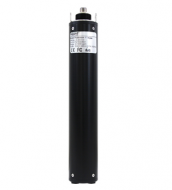
-
- 온도 보상으로 정확도 향상
- Modbus RTU 제공
- 소프트웨어를 통한 교정
- 자동 클리닝 와이퍼
- 메탈 멤브레인 사용
◈ Description
Potassium Analyzer is connected directly via RS485 communication interface, providing simple, reliable, cost-saving process data with remote monitoring, calibration, configuration and diagnostics capabilities.
The Potassium Meter housing in a robust IP68 proof enclosure, 1500 N tensile strength Kevlar reinforced cable, up to 1.2 km digital data transmission, the K+ Analyzer and K+ Meter is ideally used in water/wastewater industry.
◈ Features
- All-in-One Compact Housing, Built-in Transmitter and Sensors
- On-line Realtime Measurement
- Ultra Low Power Consumption, Ideal for Outdoor Applications
- 1500 N Tensile Strength Kevlar Reinforced Cable
- Temperature Compensation
- Surge Protection for Power and RS485 Communication
- RS485 Digital Communication, Minimize Cabling and Engineering Cost
- Standard Modbus RTU Protocol, Direct Connected with PLC, HMI
- Very Stable Electrodes, without the Need of Frequent Calibration
- Metal Membrane of Electrode to Prevent Scratch
- Electrode is over 12 Months Long Period of Life
- Auto Cleaning wiper, Less Maintenance
- Onboard Memory Allowing Users Easily Calibrate and Configure Sensor at Lab and Distribute to Various Fields Site
- Software Tool for Data Monitoring, Calibration, Configuration and Diagnosis

Typical Application
Surface water, industry, fishery, water treatment, wastewater
General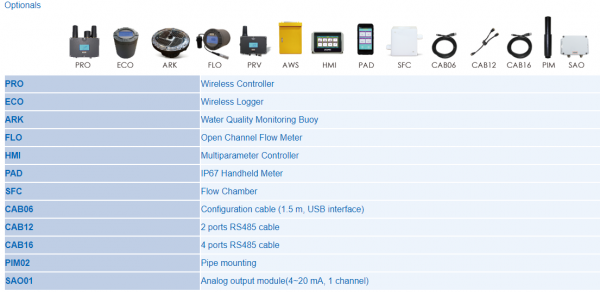
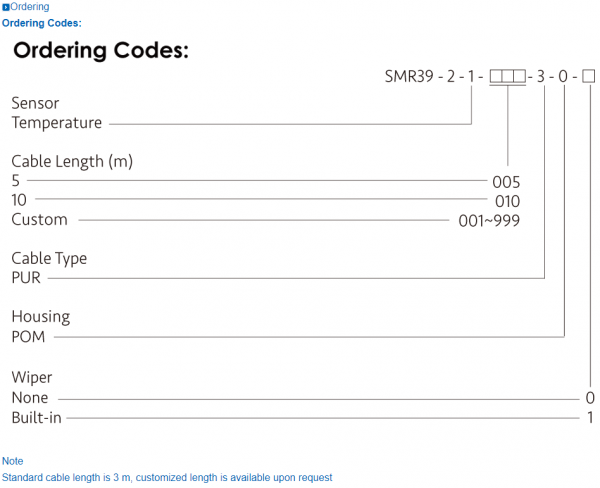
- RS485 (Modbus RTU protocol), 19,200 bps, 8 data bits, no parity, 1 stop bit; 4~20 mA (optional)
- Data Resolution: 16 bits (0.001% FS)
- Surge Protection: 4000 V DC
- Power: 3.6~12 V DC ±10%, 20 mA
- Protection: polarity, overload, short circuit
- Safety: CE, FCC
- Surface water, industry, fishery, water treatment, wastewater
- The ion selective electrode continuous measurement of potassium is carried out with a specific membrane that is selective of potas- sium ion. That membrane create charge seperation between the water surrounded electrode and internal filling solution. The charge is measured as a voltage that changes the concentration in the water adjacent the membrane. Compared with the traditional colorimetric method, there are many advantages such as fast response time, more accurate, easier and no reagents used.


